

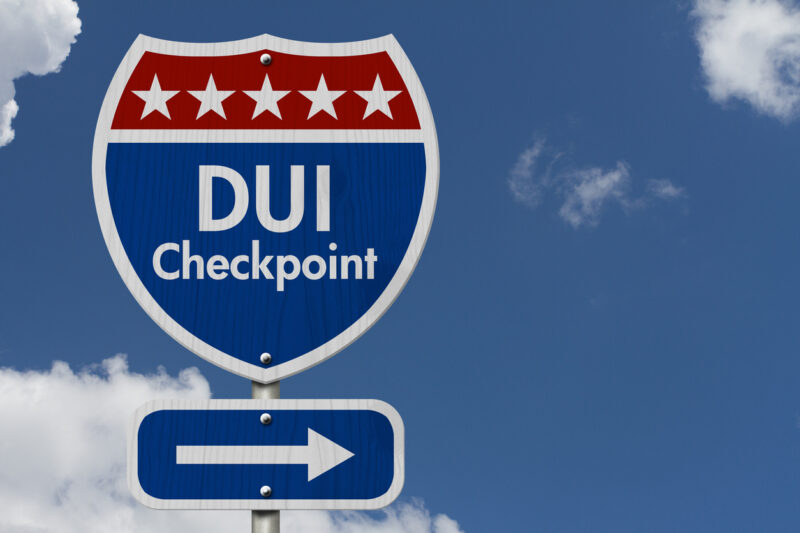
Drivers often hear the terms driving under the influence (DUI) and driving while impaired (DWI) used interchangeably, but they do not always mean the same thing. The difference between DUI and DWI depends heavily on state law.
In Louisiana, understanding these terms matters because they affect how charges are filed, how cases are prosecuted, and the penalties a driver may face. Knowing the difference between DUI and DWI helps drivers better understand what they are accused of and why a charge carries specific legal consequences.
What DUI and DWI Mean in General
DUI stands for driving under the influence. DWI stands for driving while intoxicated. Both terms refer to operating a motor vehicle while impaired by alcohol, drugs, or other substances.
Across the United States, states use these terms differently:
- Some states use DUI as the primary impaired driving charge.
- Some states use DWI instead of DUI.
- Some states use both terms to describe different levels or types of impairment.
Because there is no single nationwide definition, the meanings of DUI and DWI vary by state.
How Louisiana Uses DUI and DWI
Louisiana law does not use DUI as a statutory charge. Instead, Louisiana law defines impaired driving offenses under the term operating a vehicle while intoxicated, commonly referred to as DWI.
Under Louisiana law, a driver may be charged with DWI if:
- The driver has a blood alcohol concentration of 0.08 percent or higher.
- The driver is impaired by alcohol regardless of the blood alcohol level.
- The driver is impaired by drugs, including prescription or illegal substances.
- The driver shows impairment of mental or physical faculties consistent with intoxication.
In Louisiana, DWI covers both alcohol and drug impairment. The focus is on whether the driver was intoxicated, not solely on chemical test results.
Underage Drivers and DWI in Louisiana
Louisiana law does not create a separate DUI charge for minors. Underage impaired driving is still handled under DWI or operating while intoxicated laws, with different standards and penalties.
Louisiana imposes lower blood alcohol limits for drivers under the legal drinking age. In many cases, a minor may face an underage DWI charge with a blood alcohol concentration well below 0.08 percent, often around 0.02 percent.
Key Differences Between DUI and DWI in Louisiana
The key distinction in Louisiana is not between DUI and DWI, but between how impaired driving laws apply based on the driver’s age and circumstances.
In simple terms:
- DWI is the impaired driving charge used for adult drivers in Louisiana.
- Underage drinking and driving is still prosecuted as DWI, but with lower blood alcohol limits.
- DWI applies whether impairment is caused by alcohol, drugs, or a combination of substances.
For both adult and underage drivers, impaired driving offenses in Louisiana fall under DWI laws, not DUI.
Blood Alcohol Levels and Impairment
Louisiana law allows DWI charges to be based on either chemical test results or observed impairment.
A DWI charge may be supported by:
- A blood alcohol concentration of 0.08 percent or higher for most drivers
- A lower blood alcohol limit for commercial drivers
- Officer observations, such as slurred speech, poor coordination, or unsafe driving
- Field sobriety test performance
- Evidence of drug-related intoxication.
A driver may be charged with DWI even if their blood alcohol concentration is below the legal limit, as long as intoxication can be established.
Penalties for DWI in Louisiana
Penalties for DWI in Louisiana increase with each offense and depend on the facts of the case.
Possible consequences include:
- Fines and court costs
- Driver’s license suspension or restrictions
- Mandatory substance abuse education or treatment
- Ignition interlock requirements
- Jail time for repeat or aggravated offenses
Even a first offense DWI can carry lasting consequences that affect employment, insurance, and driving privileges.
Is DWI a Felony in Louisiana?
In Louisiana, a first or second DWI is generally charged as a misdemeanor.
A DWI may be charged as a felony if:
- The offense is a third or subsequent DWI
- The driver has multiple prior DWI convictions within the applicable lookback period
- The incident involves serious bodily injury or death
Felony DWI charges carry significantly harsher penalties, including potential prison sentences.
Contact Our Metairie Car Accident Lawyers at Santana & Blanchard Personal Injury Lawyers for a Free Consultation
Louisiana law does not use DUI as a formal charge. Instead, impaired driving for both adults and minors is prosecuted as DWI or operating a vehicle while intoxicated, with different standards depending on age and circumstances.
Understanding how Louisiana defines and applies DWI laws helps drivers better understand their legal exposure and the potential consequences they face under state law. Call our Metairie car accident attorneys at Santana & Blanchard Personal Injury Lawyers if you get into an accident involving an impaired driver. We offer free consultations to answer your questions.
We proudly serve Louisiana and it’s surrounding areas, including Metairie, Gretna and Kenner.
Santana & Blanchard Personal Injury Lawyers
3500 N Hullen St Suite 17K
Metairie, LA 70002
(504) 323-6000
Our law firm is located near you. Find us with our GeoCoordinates: 30.01245719602678, -90.15811234232851