
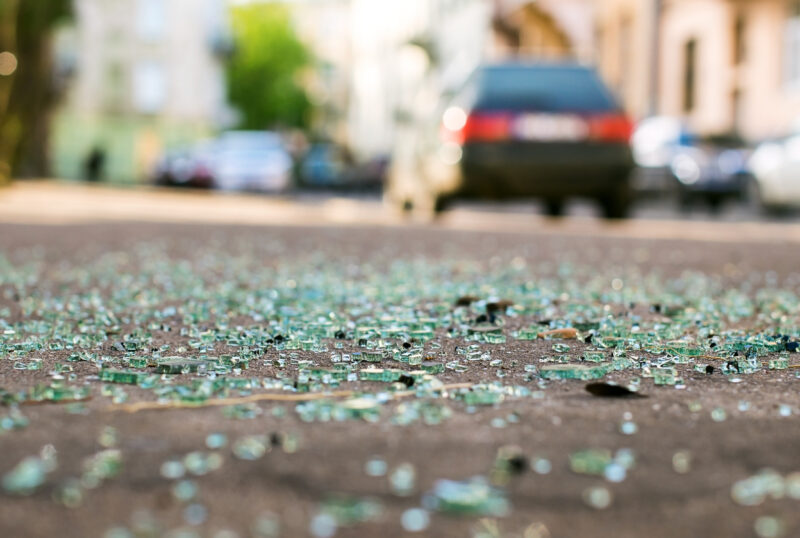
Car wrecks can happen in the blink of an eye, but the stress and pain that follow can stick around. One risky driving move that often leads to rear-end crashes is brake checking. That’s when a driver hits the brakes suddenly, not because traffic stopped, but to get back at other drivers or express frustration.
If you were hurt in a car accident like this, it helps to understand what brake checking is, why it’s so dangerous, and what you can do to protect yourself after an incident.
What Is Brake Checking?
Brake checking happens when a driver slams on the brakes on purpose, usually to intimidate the person behind them. It often comes up in road-rage situations — a driver feels annoyed, gets impatient, or wants to force the other driver to back off.
The problem is simple: the driver behind may not have enough time or space to stop safely. Even a short, sudden brake tap can cause a crash, and at highway speeds, the impact can be severe.
Why Brake Checking Can Lead to Serious Crashes
Brake checking turns an everyday driving situation into a dangerous one.
A sudden stop can cause:
- A rear-end collision
- A multi-car pileup (especially in heavy traffic)
- A driver swerving into another lane or off the road to avoid impact
- A pedestrian or cyclist being struck if the swerving driver loses control
Louisiana roads can be busy, and many drivers follow too closely without meaning to. When the driver in front brake checks, there may be no good option, just a split-second reaction.
Injuries That Can Happen in Brake-Checking Accidents
Rear-end crashes are known for injuries caused by the body snapping forward and back.
Some common injuries include:
- Whiplash and soft tissue injuries
- Neck and back injuries
- Herniated or bulging discs
- Head injuries and concussions
- Broken bones
- Shoulder and knee injuries
It’s also common for symptoms to show up later. You might feel “mostly OK” at the scene, then wake up the next day with stiffness, headaches, or sharp pain.
Who Is at Fault for a Brake-Checking Accident in Louisiana?
Many people assume the rear driver is always at fault in a rear-end collision. In many situations, that’s true — but brake checking can change the conversation.
Louisiana uses a modified comparative fault system, which means more than one driver can share responsibility. If the front driver intentionally slammed on the brakes without a real reason, they may be partly (or even mostly) responsible.
Because these cases can be disputed, evidence matters. Things like dashcam video, witness statements, and the crash report may help show what really happened.
Why These Claims Can Be Tricky
Brake-checking cases can be frustrating because proving intent isn’t always easy. The other driver might claim they stopped for traffic, debris, or something in the road.
And because comparative fault can reduce compensation, insurance companies may push the idea that the rear driver was following too closely, even if the braking was sudden and unnecessary. That’s one reason it helps to gather solid documentation early.
Contact the Louisiana Car Accident Lawyers at Santana & Blanchard Personal Injury Lawyers for Help Today
Brake checking crashes can leave you dealing with more than just car repairs — medical bills, missed work, and lingering pain can add up fast. You deserve a clear understanding of your options.
For more information, contact an experienced Louisiana car accident attorney at Santana & Blanchard Personal Injury Lawyers to schedule a free consultation today. With 26 years of combined experience and millions recovered for our clients, we have the knowledge and resources to fight for the compensation you deserve.
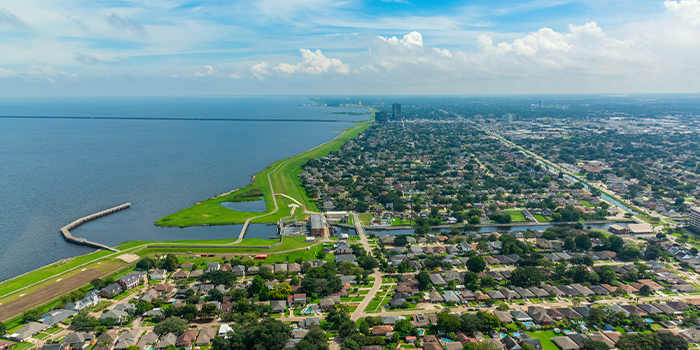
We proudly serve Louisiana and it’s surrounding areas, including Metairie, Gretna and Kenner.
Santana & Blanchard Personal Injury Lawyers
3500 N Hullen St Suite 17K
Metairie, LA 70002
(504) 323-6000
Our law firm is located near you. Find us with our GeoCoordinates: 30.01245719602678, -90.15811234232851