

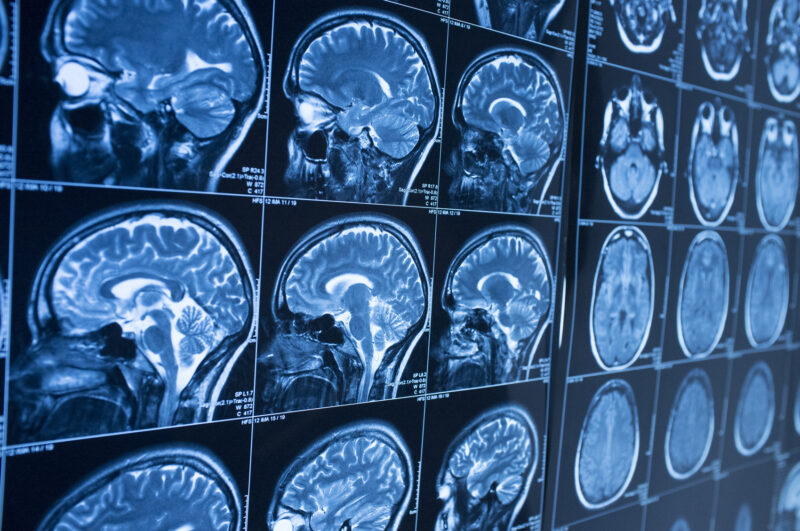
Blunt force head trauma is one of the most serious injuries a person can suffer. It occurs when the head is struck by or forcefully collides with a solid object, causing damage to the brain, skull, or surrounding tissues. These injuries can range from mild concussions to life-threatening traumatic brain injuries (TBIs) with long-term consequences.
Understanding the causes and effects of blunt force head trauma can help accident victims recognize the seriousness of their injuries, seek timely medical care, and make informed decisions about their recovery.
What Is Blunt Force Head Trauma?
Blunt force head trauma refers to an injury caused by impact rather than penetration. Unlike penetrating head injuries, which involve an object breaking through the skull, blunt force injuries result from sudden force or acceleration that causes the brain to move violently within the skull.
This movement can lead to bruising, bleeding, swelling, or tearing of brain tissue. Even when there is no visible wound, the internal damage can be severe.
Medical professionals often classify blunt force head trauma as a type of traumatic brain injury. The severity depends on the strength of the impact, the area of the head affected, and how quickly treatment is received.
Common Causes of Blunt Force Head Trauma
Blunt force head trauma frequently occurs during sudden, high-impact events. Many of these incidents happen without warning and can affect people of all ages.
Some of the most common causes include:
- Motor vehicle accidents, including car, truck, motorcycle, and pedestrian collisions
- Slip and fall accidents, especially falls involving hard surfaces like concrete or tile
- Workplace accidents, such as falls from heights or being struck by heavy objects
- Sports and recreational injuries, including contact sports or cycling crashes
- Assaults or physical violence involving punches, kicks, or blunt objects
In many cases, the injured person may not immediately realize how serious the trauma is. Symptoms can appear hours or even days after the initial impact.
Types of Blunt Force Head Injuries
Blunt force head trauma can affect the brain in several different ways. Doctors use imaging tests and neurological evaluations to identify the specific type of injury. Types of blunt force head injuries commonly include:
- Concussions: A concussion is often considered a mild traumatic brain injury, but it should never be ignored. Concussions occur when the brain is jolted inside the skull, disrupting normal brain function.
- Contusions: A contusion is a bruise on the brain caused by direct impact. Severe contusions can lead to swelling or bleeding that increases pressure inside the skull.
- Skull fractures: A strong blow to the head can crack or break the skull. Certain fractures increase the risk of infection or damage to underlying brain tissue.
- Intracranial hemorrhages: Blunt force trauma can cause bleeding inside the skull, such as subdural or epidural hematomas. These injuries are medical emergencies and often require immediate surgical intervention.
Blunt force head injuries range from mild concussions to life-threatening brain bleeds, and their effects are not always immediately apparent.
Symptoms and Warning Signs of Head Trauma
The effects of blunt force head trauma vary widely depending on the injury’s severity. Some symptoms appear right away, while others develop gradually.
Common symptoms include:
- Headaches that worsen over time
- Dizziness or loss of balance
- Nausea or vomiting
- Confusion or difficulty concentrating
- Memory problems
- Sensitivity to light or noise
- Slurred speech
- Loss of consciousness
Severe cases may involve seizures, unequal pupil size, weakness in the limbs, or profound changes in behavior or personality. Any head injury symptoms should be evaluated by a medical professional as soon as possible.
Short-Term Effects of Blunt Force Head Trauma
In the short term, blunt force head trauma can interfere with a person’s ability to think clearly, work, or perform daily activities. Victims may experience cognitive difficulties, mood changes, or physical limitations during the initial recovery period.
Even mild head injuries can disrupt sleep patterns, reaction time, and emotional regulation. For students and workers, this may mean time away from school or employment while symptoms are monitored and treated.
Prompt diagnosis and proper rest are critical in preventing further injury during this stage.
Long-Term Effects and Complications
More severe blunt force head trauma can lead to lasting or permanent complications. These long-term effects may not be fully understood until months after the injury.
Potential long-term consequences include:
- Chronic headaches or migraines
- Persistent memory loss or attention deficits
- Difficulty with speech or language processing
- Emotional changes, such as depression or irritability
- Increased risk of neurodegenerative conditions
- Permanent disability requiring ongoing care
Some individuals require extensive rehabilitation, including physical therapy, occupational therapy, or cognitive rehabilitation, to regain lost function.
How Blunt Force Head Trauma Is Diagnosed and Treated
Doctors use a combination of physical examinations, neurological assessments, and imaging studies such as CT scans or MRIs to diagnose head trauma. Treatment depends on the type and severity of the injury.
Mild cases may require rest, monitoring, and a gradual return to activity. More serious injuries may involve hospitalization, surgery to relieve pressure on the brain, or long-term rehabilitation programs.
Following medical guidance closely is essential, as returning to normal activities too soon can worsen symptoms or cause secondary injuries.
Why Blunt Force Head Injuries Are Often Legally Complex
From a legal perspective, blunt force head trauma cases are often complicated because symptoms may be delayed and long-term effects difficult to predict. Medical documentation, expert evaluations, and ongoing treatment records play a significant role in understanding the full impact of the injury.
Accidents involving head trauma frequently lead to substantial medical expenses, lost income, and long-term care needs. For this reason, injury claims involving head trauma are often closely scrutinized by insurance companies.
Call the Metairie Personal Injury Lawyers at Santana & Blanchard Personal Injury Lawyers Today for a Free Consultation
Blunt force head trauma can change a person’s life in an instant. If you or a loved one suffered a head injury in an accident caused by someone else’s negligence, you may have legal options worth exploring.
For more information, contact Santana & Blanchard Personal Injury Lawyers to schedule a free consultation with an experienced Metairie personal injury attorney.
We proudly serve Louisiana and it’s surrounding areas, including Metairie, Gretna and Kenner.
Santana & Blanchard Personal Injury Lawyers
3500 N Hullen St Suite 17K
Metairie, LA 70002
(504) 323-6000
Our law firm is located near you. Find us with our GeoCoordinates: 30.01245719602678, -90.15811234232851